


|
1. Access to Quality Education: Improving Infrastructure: Upgrade schools, libraries, and learning materials in rural areas. TeacherTraining:Provide ongoing training to educators to ensure they deliver quality education that meets modern standards. Affordable Education: Ensure that education is free or low-cost, including access to uniforms, books, and other essential supplies. |
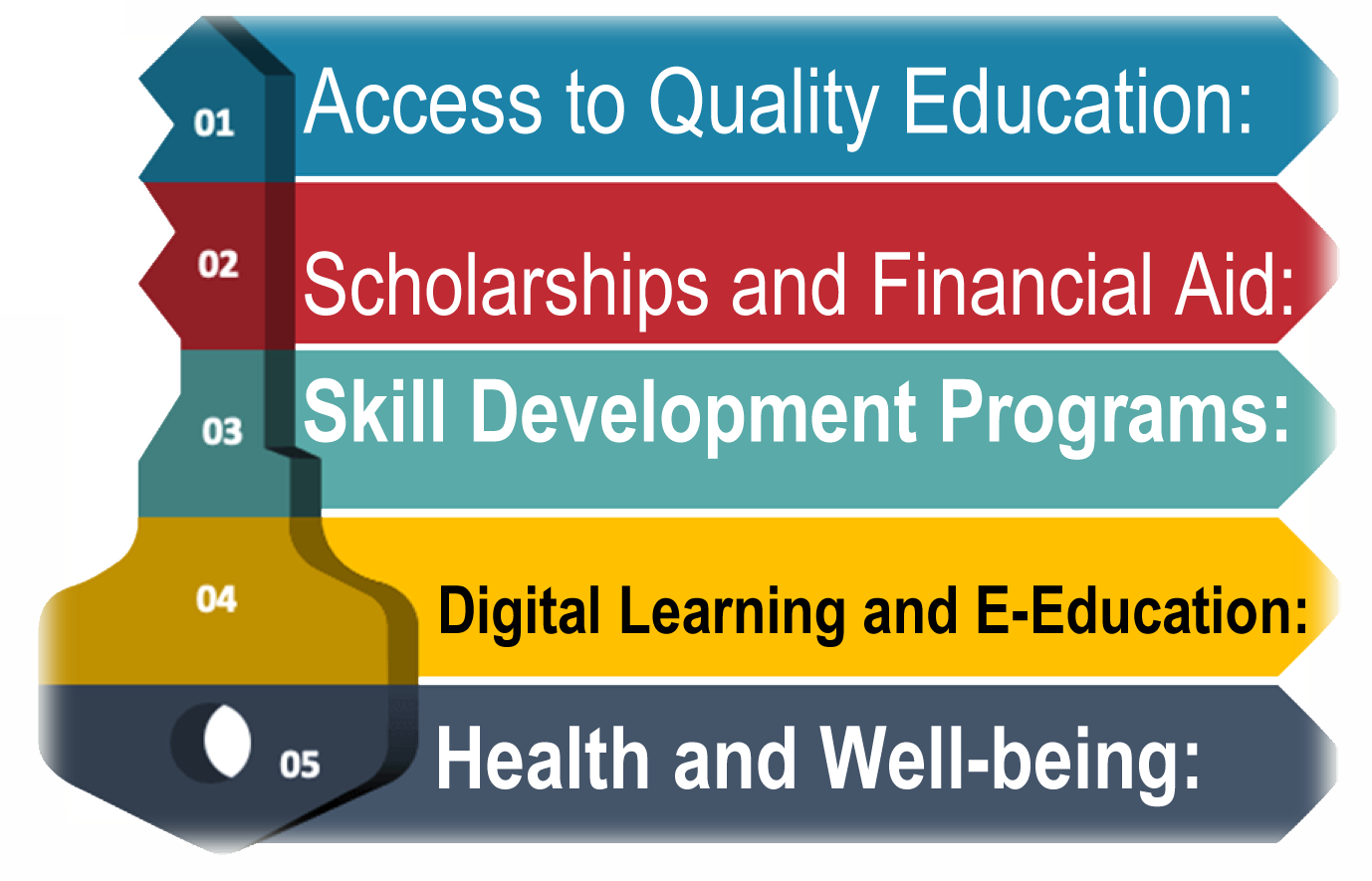 |
2. Scholarships and Financial Aid:
Scholarships for Higher Education: Establish scholarship programs to help poor students pursue secondary and tertiary education.
Financial Aid Programs: Offer assistance for transport, school fees, and other financial burdens that often prevent students from attending school regularly.
Micro grants for Study Materials: Provide small-scale grants for essential school materials and access to digital learning resources.
3. Skill Development Programs:
Vocational Training: Organize skill-building workshops in areas such as agriculture, carpentry, tailoring, and computer literacy, to help students gain practical skills that can lead to immediate employment.
Entrepreneurship Training: Encourage and train students to start their own businesses, particularly in rural settings, by providing resources like seed capital and mentorship.
4. Digital Learning and E-Education:
Access to Technology: Provide affordable or free access to computers and the internet to bridge the digital divide.
E-learning Platforms: Promote the use of digital learning platforms and mobile apps that can help students in remote areas continue learning despite geographical limitations.
5. Health and Well-being:
Health and Hygiene Programs: Promote basic healthcare, hygiene, and nutrition for students to ensure their physical well-being and readiness to learn.
Counseling and Mental Health Support: Offer counseling services to students who face psychological or emotional barriers to their learning journey.
6. Community Involvement and Parental Engagement:
Community Awareness Programs: Launch campaigns that raise awareness about the importance of education in rural communities.
Parental Training: Conduct workshops for parents to understand the importance of their children education and equip them with the skills to support their children academic success
7. Sustainable Development and Rural Entrepreneurship:
Youth Empowerment Programs: Encourage students to engage in activities that not only benefit them but also improve the community social and economic conditions.
Sustainable Agriculture and Rural Enterprises: Teach students sustainable farming techniques and small-scale rural enterprise development to improve community wealth and reduce poverty.
Long-term Goals:
Increased Graduation Rates: Reduce drop-out rates by making education more accessible, affordable, and engaging.
Self-reliant Students: Develop a generation of students with the skills, knowledge, and drive to contribute to both their personal success and the development of their rural communities.
Poverty Reduction: By enhancing education and skillsets, help break the cycle of poverty in rural areas, leading to overall social and economic upliftment.
Outcome Measurement:
Monitoring & Evaluation (M&E): Regular assessment of students academic progress, skill acquisition, and well-being.
Community Feedback: Use surveys and interviews to understand community satisfaction with educational and development programs.
Impact Studies: Conduct longitudinal studies to track the long-term impact of rural development initiatives on students and the broader community.